
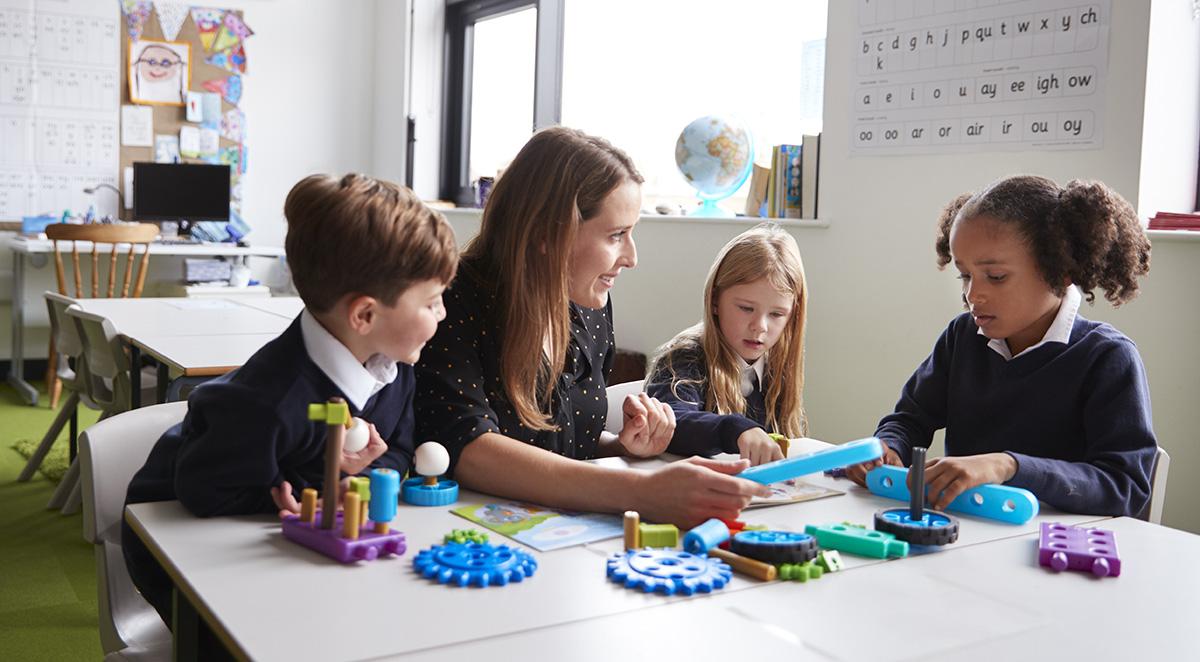
When parents are searching for the right school for their child, class sizes are a top concern. The environment your child learns in every single day shapes how they engage with material, how confident they feel asking questions, and how well their teachers can meet them where they are. At Liberty Christian School in Huntington Beach, California, keeping class sizes small is a top commitment that runs through every grade level and every subject.
Quick Summary
Small class sizes give students more direct access to their teachers, more opportunities to participate, and more personalized support along the way. This post explores what real-world experience tells us about why class size matters, and how Liberty Christian School's intentional approach to keeping classes small shapes student outcomes from kindergarten through graduation.
What Small Class Sizes Mean for Students
A smaller class changes the entire dynamic of how learning happens. When a teacher is responsible for fewer students, they can observe more closely, respond more quickly, and build the kind of relationship with each child that makes academic progress possible.
At Liberty Christian School, the goal is a 15:1 student-to-teacher ratio. That intentional cap creates a learning environment where students are not lost in the crowd, where hands get called on regularly, and where a teacher can notice when a student is struggling before a small gap becomes a larger one.
Students Are Known, Not Just Enrolled
There is a real difference between a student who is enrolled in a school and a student who is known by their school. In a large classroom, it is easy for a quieter student to fade into the background. A small class changes that dynamic entirely. Teachers learn their students' academic habits, their areas of confidence, and the subjects where they need more support.
This matters especially during pivotal transitions, whether that is a kindergartner learning to read, a middle schooler navigating new academic expectations, or a high schooler building toward college. When teachers know their students well, they can tailor instruction in ways that make a genuine difference.
How Personalized Attention Changes Academic Outcomes
Support for Diverse Learning Needs
No two students learn exactly alike. Some students grasp new concepts quickly while others need the material presented in a different way before it clicks. In a large classroom, the pace is often set by the middle of the group, which can leave students at either end feeling unchallenged or left behind.
Liberty Christian School provides academic support through small classroom sizes and individualized attention. While LCS is not a special needs school, it does work with students who have IEPs and individual academic needs. The approach is to tailor instruction to meet students where they are, so they can achieve genuine academic success rather than simply moving through a curriculum.
Some of the specific ways small class environments support diverse learners include:
- Teachers can identify learning gaps early and address them before they compound
- Instruction can be adjusted in real time based on student response
- Students have more opportunities to ask questions without fear of slowing down a large group
- Teachers can provide feedback that is specific and meaningful rather than generic
Learn about the faculty at Liberty Christian School.
Space to Think, Participate, and Grow
Discussion-based learning, project-based assignments, and collaborative problem-solving are all more effective when class sizes are small. Students participate more readily when they are not competing with twenty or thirty peers for a chance to contribute. They are more willing to take intellectual risks, share ideas that are still forming, and engage with challenging questions when the classroom feels like a community rather than an audience.
At Liberty Christian School, the 7th through 12th grade program uses a project-based learning model within an eight-block schedule. Students work in groups to design, develop, and solve real-world problems, building skills in creativity, collaboration, and perseverance. That kind of collaborative environment thrives in smaller settings, where every student's voice can genuinely be part of the work.
Small Classes and the College Preparation Connection
Personalized Academic Planning
One of the most significant advantages of a small school environment is the ability to personalize a student's academic path. Rather than following a single fixed track, students at Liberty Christian School have the opportunity to work with staff to identify their goals and map out a course of study that prepares them for what comes next.
The school's Academic Dean meets individually with students from 7th through 12th grade to explore their interests and ensure they are on the right path. For some students, that means pursuing dual enrollment opportunities to earn college credit while still in high school. For others, it might mean charting an accelerated course toward early graduation. Liberty Christian School is proud to offer that level of flexibility, and it is made possible in large part because of the close relationships that develop in a small school setting.
Here is a snapshot of the kinds of academic paths available to LCS students:
- Standard college-prep curriculum aligned with California State Standards and UC a-g requirements
- Dual enrollment options that allow students to earn college credit while still enrolled in high school
- Accelerated graduation pathways for students with specific goals and timelines
- Individualized course planning through one-on-one advising with the Academic Dean
Over 95% of Liberty Christian School graduates pursue higher education, with approximately 50% attending four-year universities. That outcome does not happen by accident. It reflects years of intentional investment in every student, made possible by the kind of close attention that small class environments allow. Learn more about life beyond graduation on the LCS website.
WASC Accreditation Backs the Academic Quality
Some families wonder whether a smaller school can deliver the same academic rigor as a larger institution. At Liberty Christian School, the answer is confirmed by the school's WASC accreditation, which has been continuous since 1994. The Western Association of Schools and Colleges holds member schools to high academic standards, verifying that the institution is organized, staffed, and supported in ways that genuinely prepare students for success. A WASC-accredited diploma opens doors across the country, regardless of the school's size.
The Whole-Child Benefit of Smaller Learning Communities
Small class sizes do not only benefit academic outcomes. They shape the social and emotional dimensions of school life in meaningful ways as well.
When students are in smaller communities, they:
- Build stronger relationships with teachers who know them as individuals
- Develop a greater sense of belonging and connection to their school
- Experience less anonymity, which reduces the likelihood of students disengaging
- Are more likely to be noticed and supported during difficult seasons personally or academically
Liberty Christian School's mission is to provide a Christian education that includes quality academics, traditional values, a caring environment, and abundant opportunities. That mission statement is not simply aspirational. The school's structure, with intentionally small classes and a close-knit community, is specifically designed to deliver on it. The goal is for students to encounter genuine care and support every day, not just in chapel or during special events, but in the everyday rhythm of classroom life.
Read more about how Liberty Christian families partner in their children’s education.
What Families Often Ask About Small Schools
A common concern families bring to the conversation is whether a smaller school means fewer opportunities. A small class size does not mean a small academic experience. What it means is that each student has a greater share of the teacher's time, attention, and expertise.
At Liberty Christian School, the K-6 curriculum draws from a range of established publishers including Bob Jones University, Positive Action, Savvas, and McGraw Hill, while elementary students also participate in enrichment pull-outs including ASL, Library, Music, Choir, Band, and PE. For older students, the 7th through 12th grade curriculum is rigorous and UC-aligned. The school is not trading academic breadth for intimacy. It is delivering both.
Read more about the top questions to ask when choosing a private elementary school.
Frequently Asked Questions
What is Liberty Christian School's student-to-teacher ratio?
Liberty Christian School's goal is a 15:1 student-to-teacher ratio. The school intentionally keeps class sizes small to encourage a better learning environment and ensure students receive individualized attention.
Does a small school mean fewer academic opportunities?
Not at Liberty Christian School. Students have access to a UC a-g aligned college-prep curriculum, dual enrollment opportunities for college credit, individualized academic planning, and a wide range of extracurricular and enrichment activities. Academic breadth and personalized attention go hand in hand here.
How does LCS support students with individual learning needs?
While Liberty Christian School is not a special needs school, it does support students with IEPs and individual academic needs by tailoring instruction to meet each student where they are. The goal is for every student to experience genuine academic success.
Is a smaller school's diploma recognized for college admissions?
Yes. Liberty Christian School has been continuously WASC-accredited since 1994. A diploma from a WASC-accredited institution is nationally recognized and fully respected in the college admissions process.
How can I learn more or schedule a visit?
The best way to experience what small class learning looks like at Liberty Christian School is to come see it in person. Contact us to schedule a tour or get your questions answered by a member of the team.
The Bottom Line
Small class sizes matter because children matter individually. Every student has a particular way of learning, a unique set of strengths, and areas where they need patient, consistent support. When class sizes are kept intentionally small, teachers can see those things clearly and respond to them meaningfully. The result is an education that feels personal because it actually is.
If you are exploring your options for Christian education in Orange County and want to understand what personalized academic attention really looks like, we invite you to reach out and start a conversation.